
Arnica Alternatives: 8 ASPM and SCA Platforms in 2026
Top Arnica Alternatives

Native Scanning Plus 100+ Third-Party Integrations

Deep Code Analysis ASPM with Risk Graph

All-in-One AppSec with 95% Noise Reduction

AI-Native SCA with Function-Level Reachability
- Arnica’s main hook is pipelineless scanning. Instead of running in CI, it scans repositories in real time as commits land. Most alternatives still use the traditional CI integration model.
- Cycode and Apiiro are the closest enterprise ASPM alternatives. Aikido and Jit lean toward developer-friendly all-in-one platforms with self-serve onboarding.
- Endor Labs is the closest SCA-specific alternative. Its hook is reachability analysis: whether a vulnerability in a dependency is actually called by your code.
- Snyk remains the most mature multi-product platform across SCA, SAST, IaC, and Container. Semgrep AppSec Platform is the rules-engine alternative if Arnica’s value to you is mostly the SCA scanner depth.
- Most teams switching from Arnica do so because they want one platform across SCA, SAST, secrets, IaC, and container. Aikido and Snyk are the two most-cited landing spots.
The best Arnica alternatives in 2026 are Cycode, Apiiro, Aikido, Endor Labs, Snyk, Ox Security, Jit, and Semgrep AppSec Platform. Each one replaces a different slice of Arnica’s role: enterprise ASPM, SCA with reachability, all-in-one developer platform, or rules-engine SAST.
Quick pick: Aikido for developer-first all-in-one with a free tier, Cycode for enterprise ASPM with supply chain depth, Endor Labs for SCA with reachability, and Snyk for the most mature multi-product platform. Each option is reviewed below.
Why look for Arnica alternatives?#
Arnica is an ASPM platform with a pipelineless scanning model. Instead of running as a CI step, it integrates with Git providers and scans repositories in real time as commits land.
The platform covers SCA (with package reputation scoring), SAST, secret detection, code-to-cloud, and developer offboarding controls. It positions itself as a lighter-weight option than traditional pipeline-based AppSec.
For teams that value real-time Git-side scanning and an enterprise-leaning UX, Arnica is a strong fit.
Friction shows up in a few places. Pipelineless scanning is unfamiliar, and many teams already have tuned CI workflows they prefer to keep AppSec inside. Arnica’s pricing is enterprise-only with no public tiers, which slows mid-market evaluation.
The ASPM space has also crowded. Cycode, Apiiro, Aikido, Jit, Ox Security, and Snyk all overlap with Arnica’s scope and often win on coverage breadth, IDE UX, or pricing transparency.
Top Arnica Alternatives#
1. Cycode#
Cycode is an enterprise ASPM platform with strong supply chain and CI/CD security coverage. SCA, SAST, secret detection, IaC scanning, and pipeline security all sit inside one platform.
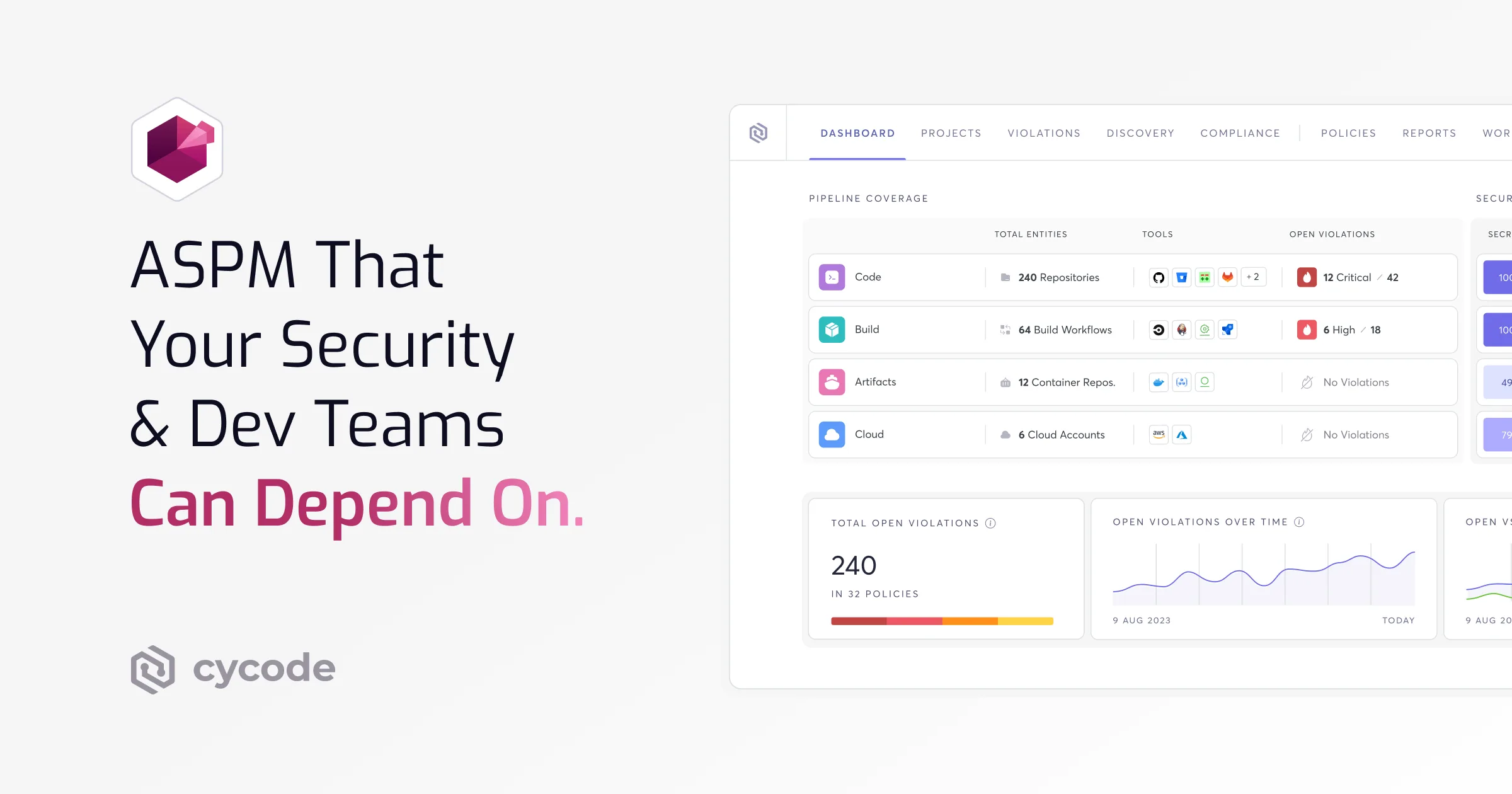
What separates Cycode from Arnica is its CI/CD and supply chain depth. The product invests heavily in source-to-pipeline-to-deployment risk, and larger organisations that need enterprise feature depth tend to land on it.
The cost is weight. Cycode feels heavier than Arnica’s lightweight pipelineless model, and pricing is also enterprise sales only.
Choose Cycode over Arnica when supply chain and CI/CD security depth matters more than a pipelineless scan model.
2. Apiiro#
Apiiro is a deep ASPM built around a code-to-cloud Application Risk Graph. The platform aggregates findings from existing scanners (Snyk, SonarQube, Checkmarx, Wiz) and layers on context like ownership, runtime exposure, and business criticality.
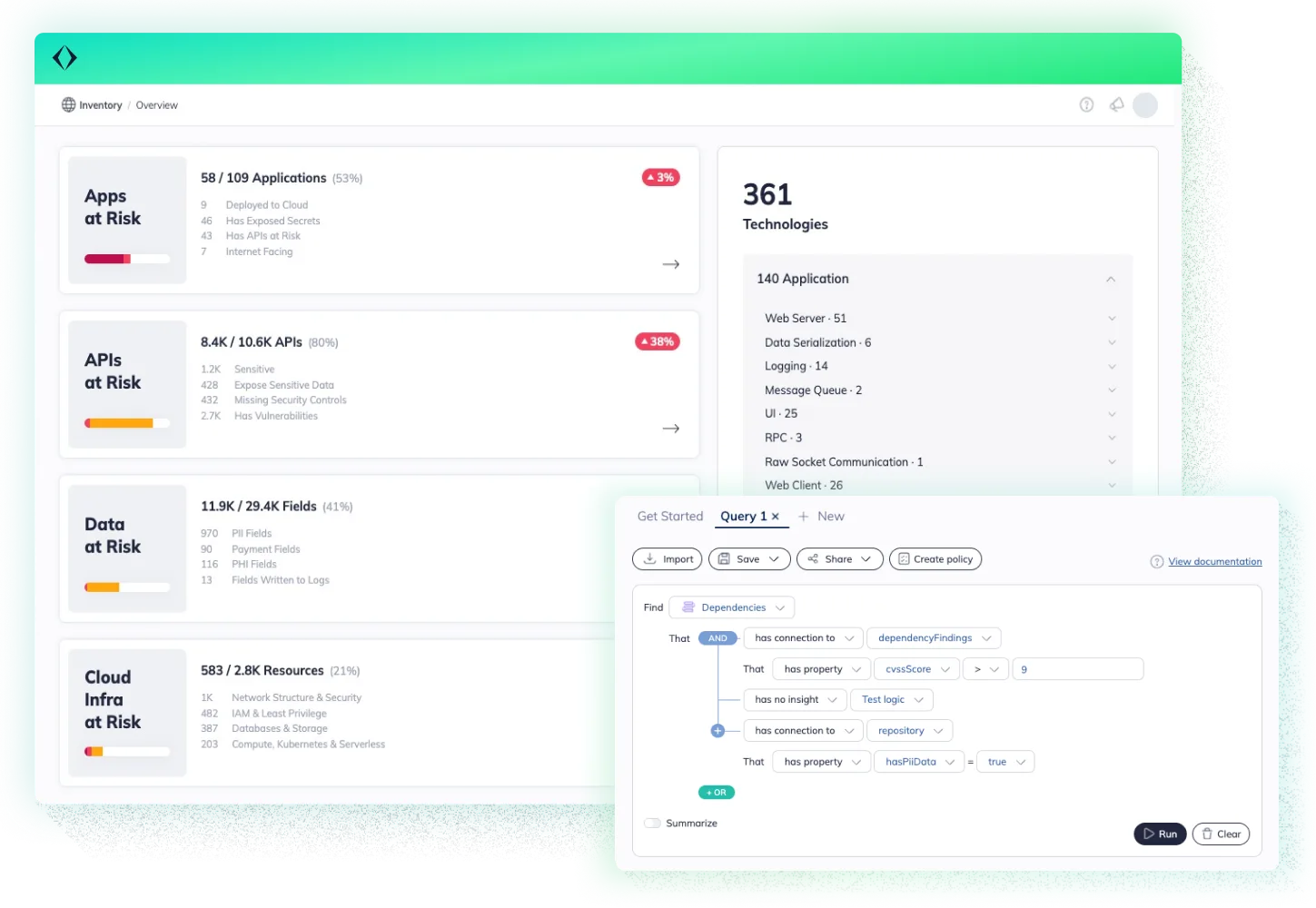
Apiiro fits when the bottleneck is risk-context aggregation rather than scanning itself. Enterprises with multiple existing scanners that need to be unified are the natural buyers.
If you want the scanners themselves rather than aggregation, Apiiro is the wrong shape.
Choose Apiiro over Arnica when you already run multiple scanners and need a code-to-cloud risk graph to unify findings.
3. Aikido Security#
Aikido is a developer-first all-in-one AppSec platform. SAST, SCA, secrets, IaC and container scanning, DAST, and cloud posture all ship in one product.
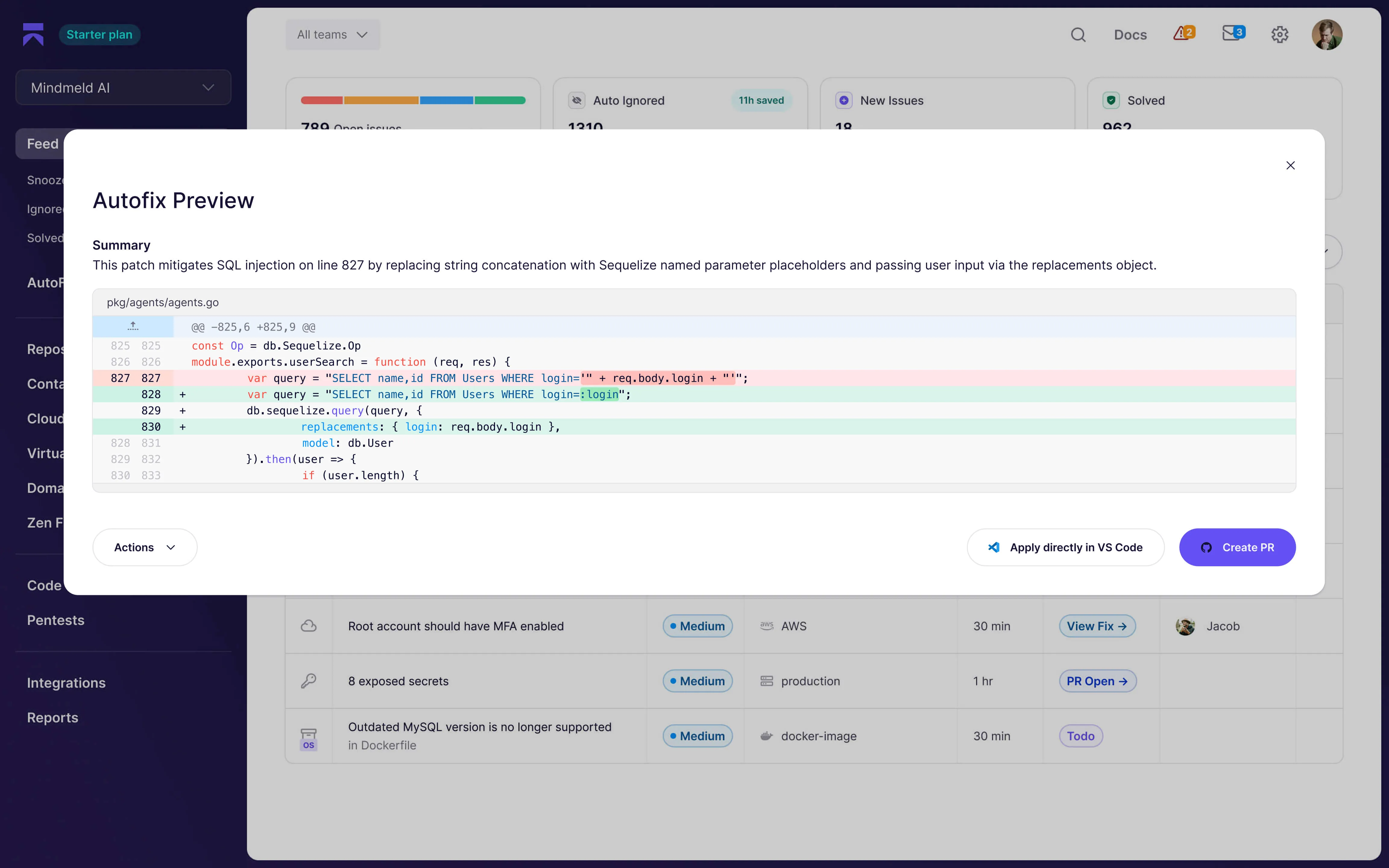
Versus Arnica, Aikido has a free tier, self-serve onboarding without sales calls, and a wider scanner stack. Specific paid tier prices are not displayed publicly, and sales conversations confirm the dollar amounts.
The cost is no pipelineless model. Aikido runs as a typical CI integration, and teams that want all-in-one with self-serve cite it as one of the most common Arnica replacements.
Choose Aikido over Arnica when you want a free tier, self-serve onboarding, and wider scanner coverage in one platform.
4. Endor Labs#
Endor Labs is the SCA-focused alternative built on reachability analysis. Its engine analyses whether a vulnerable function is actually called from your code, which cuts false-positive noise compared to dependency-level CVE matching.
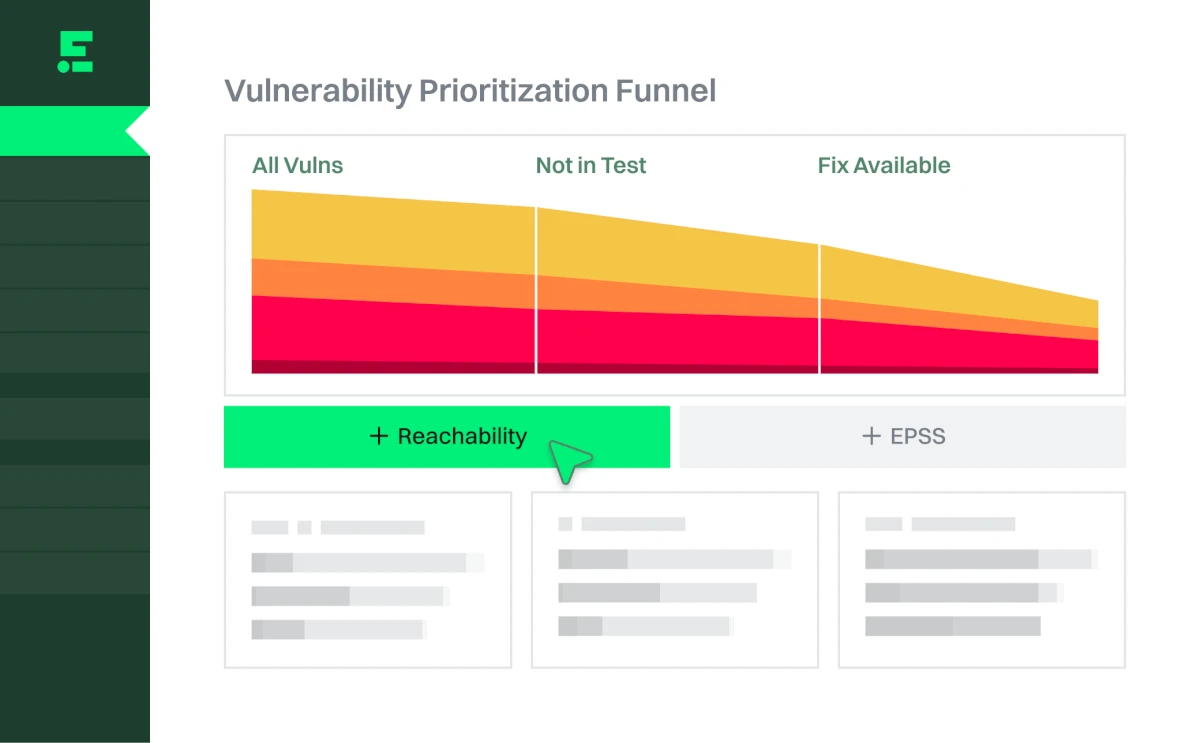
For teams whose primary Arnica use case is SCA, Endor Labs is the closest match. The platform also covers Container, SAST, secrets, and CI/CD, with reachability as the headline.
Versus Arnica, the platform scope is narrower. Endor Labs is SCA-first rather than all-in-one ASPM.
Choose Endor Labs over Arnica when SCA is the primary use case and reachability-based noise reduction is the goal.
5. Snyk#
Snyk is the most mature multi-product AppSec platform on this list. Snyk Code (SAST), Snyk Open Source (SCA), Snyk IaC, and Snyk Container share one dashboard and one developer experience.
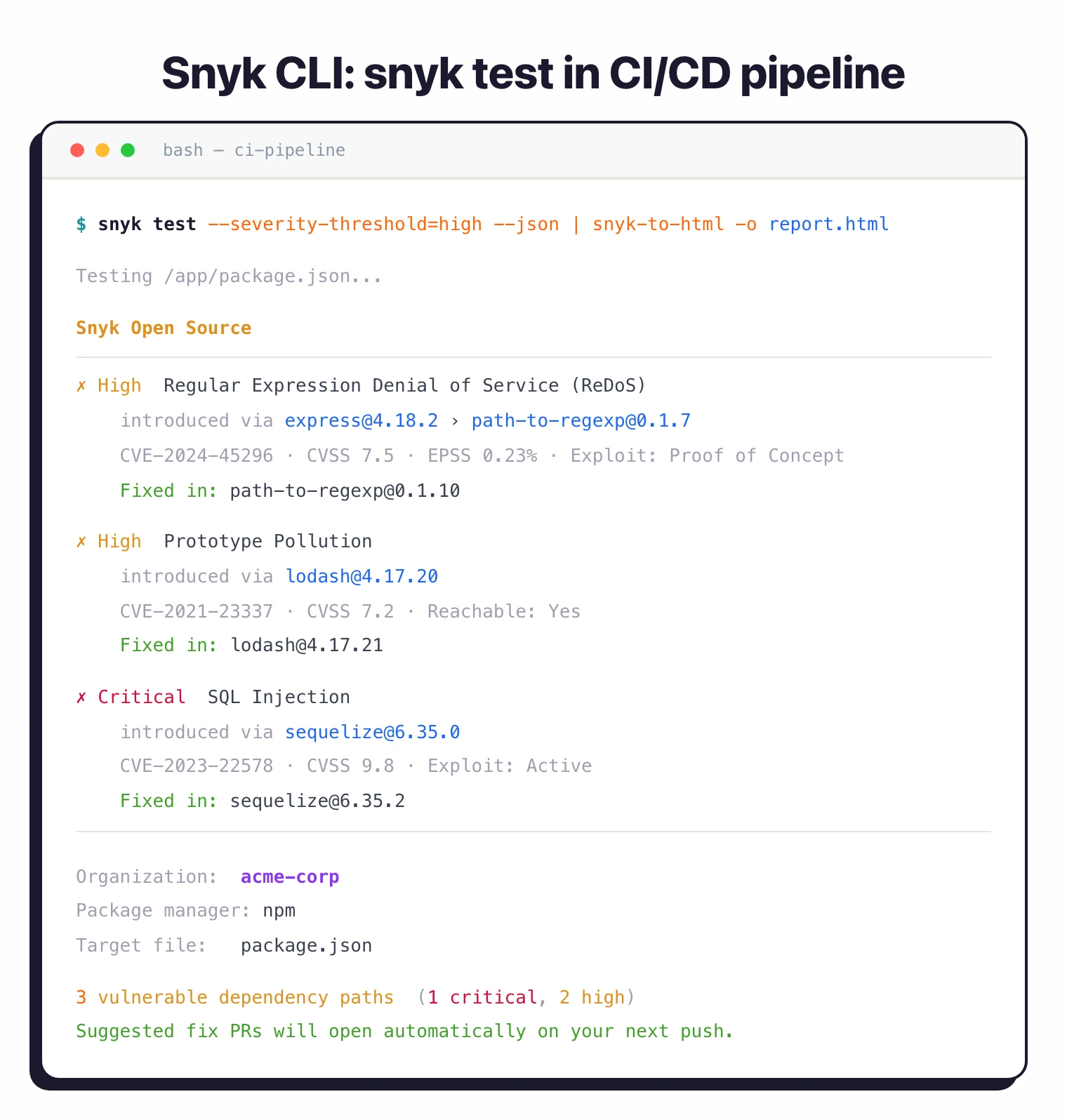
It also has the widest integration footprint and IDE plugin coverage (VS Code, IntelliJ, Cursor, Windsurf), plus public pricing.
Snyk is not pipelineless. Scans run in CI or via the Snyk CLI rather than as a Git-side hook. For teams that want platform maturity and breadth, Snyk is the safe-bet alternative.
Choose Snyk over Arnica when platform breadth, IDE coverage, and public per-developer pricing matter more than a Git-side scan model.
6. Ox Security#
Ox Security is an AppSec posture management platform built around the OSC&R framework (Open Software Supply Chain Attack Reference). The product covers SCA, SAST, secrets, IaC, and container scanning, with attack-path visualisation across the SDLC.
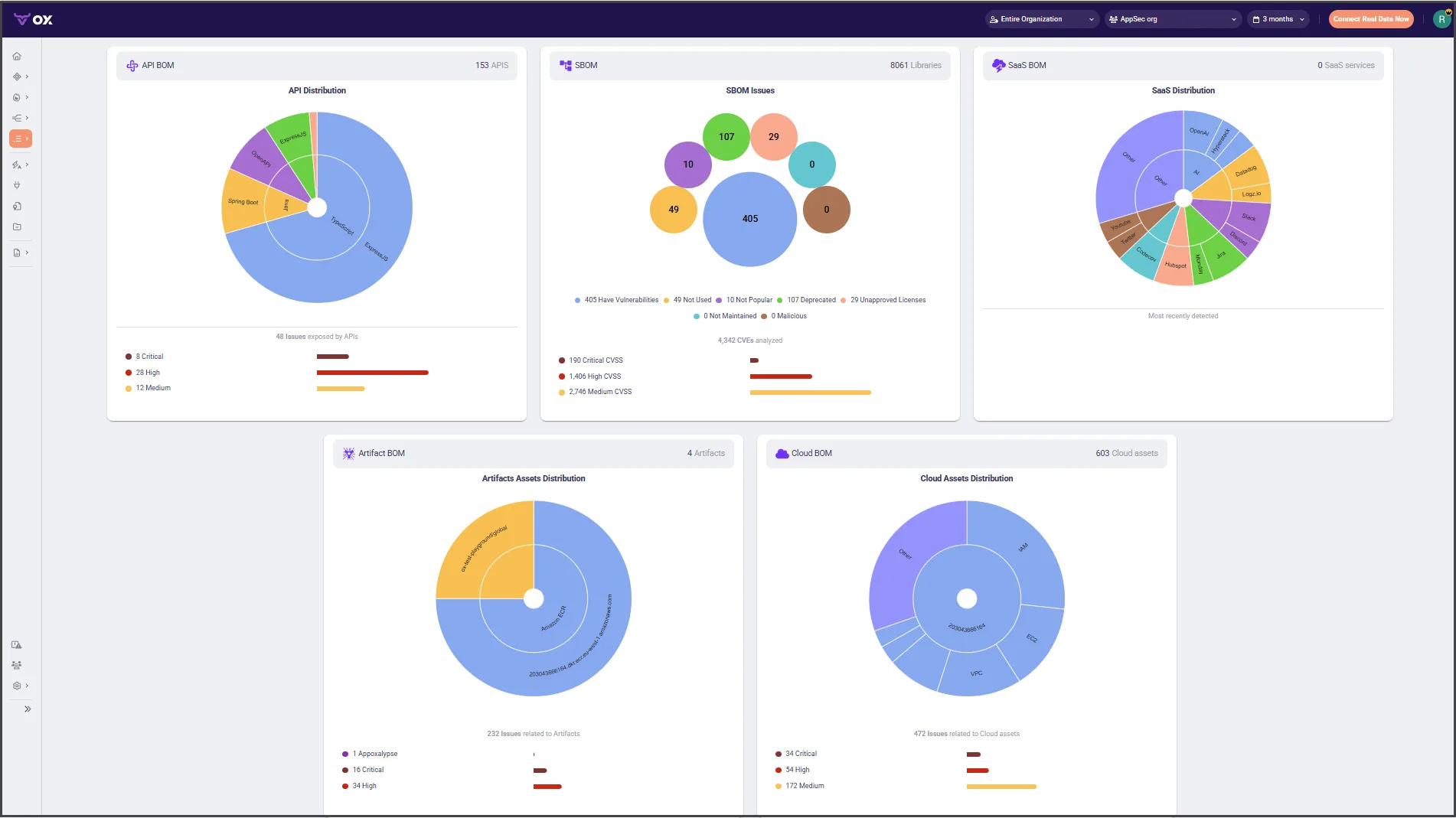
Ox is positioned for enterprises that want supply chain attack-path context alongside the scanners. It overlaps with Arnica on multi-product ASPM scope.
For teams that already have scanners but need attack-path context, Ox is the closer fit. Teams wanting Arnica’s pipelineless model will find Ox runs more traditional CI integrations.
Choose Ox Security over Arnica when supply chain attack-path visualisation is the headline requirement.
7. Jit#
Jit is a developer-first AppSec platform built around open-source scanner orchestration. It pulls together Semgrep, Trivy, KICS, Gitleaks, and OSV-Scanner and adds developer UX, prioritisation, and policy management.
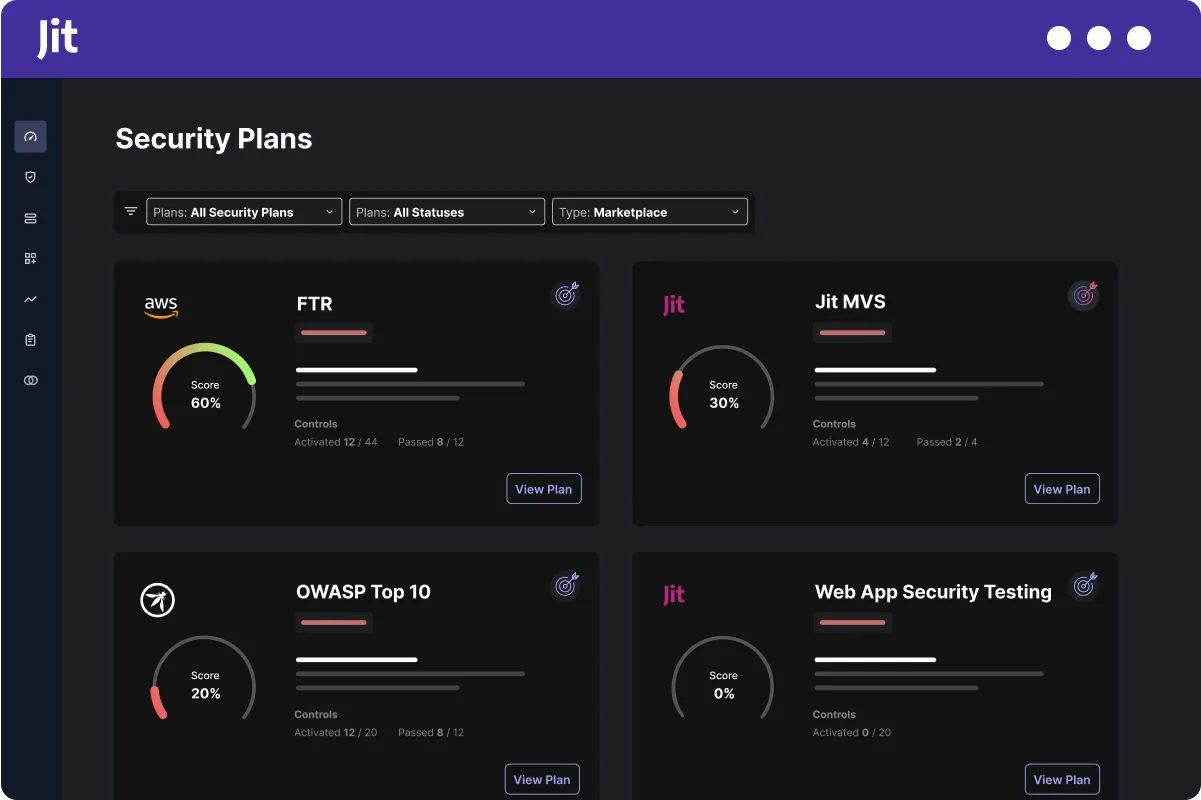
The pitch is similar to Aikido (bundle open-source scanners under one developer-friendly UI) with more control over which scanners run. Pricing has a Free tier and per-developer paid tiers above.
For teams that like the Aikido-style approach but want customisable orchestration, Jit is the alternative to evaluate.
Choose Jit over Arnica when you want an open-source scanner stack you can shape, with a Free tier to start on.
8. Semgrep AppSec Platform#
Semgrep AppSec Platform is a rules-engine AppSec platform built on the Semgrep SAST scanner. Beyond SAST, the platform adds secrets scanning, supply chain (SCA), and managed rule curation.
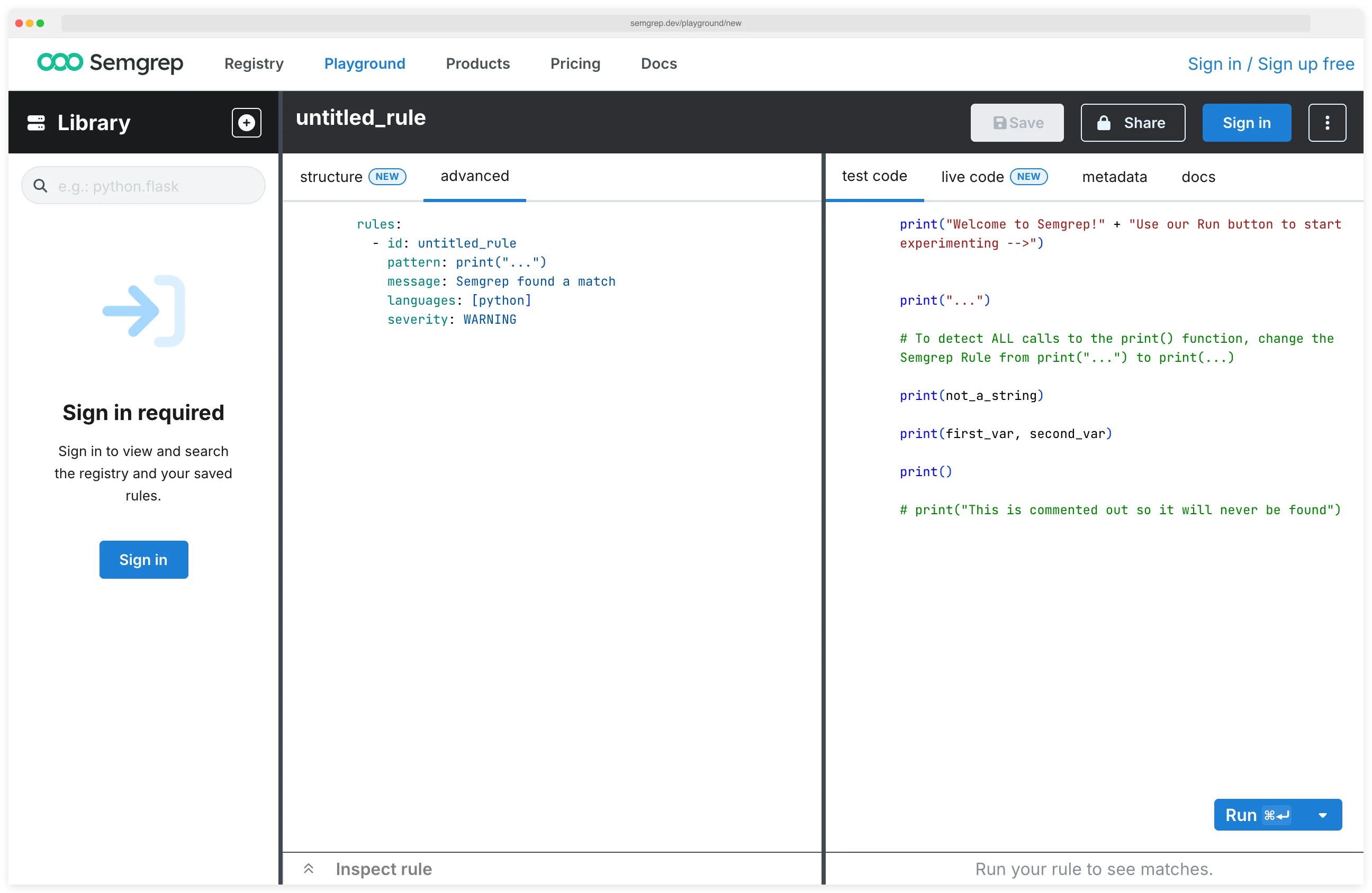
Pricing is public. The Teams tier starts at $30 per contributor per month, alongside a Free Edition for up to 10 contributors. The Opengrep fork keeps the engine fully open source, while the AppSec Platform layer adds the SaaS dashboard and managed rules.
Versus Arnica, the scope is narrower. Semgrep does not yet cover container, cloud posture, or developer offboarding the way Arnica does.
Choose Semgrep AppSec Platform over Arnica when SAST rules-engine control and public per-contributor pricing are the priority.
Feature Comparison#
| Tool | Coverage | Pricing model | Differentiator |
|---|---|---|---|
| Arnica | SCA, SAST, secrets, code-to-cloud | Enterprise sales only | Pipelineless real-time scanning |
| Cycode | SCA, SAST, secrets, IaC, pipeline security | Enterprise sales only | Supply chain and CI/CD security depth |
| Apiiro | ASPM aggregator + risk graph | Enterprise sales only | Code-to-cloud Application Risk Graph |
| Aikido | SAST, SCA, secrets, IaC, container, DAST, cloud posture | Free + paid (sales-quoted) | Developer-first all-in-one with self-serve free tier |
| Endor Labs | SCA, container, SAST | Enterprise sales | Reachability analysis |
| Snyk | SAST, SCA, IaC, container | Public per-developer | Most mature platform with broad integrations |
| Ox Security | SCA, SAST, secrets, IaC, container, attack paths | Enterprise sales | OSC&R-based attack-path visualisation |
| Jit | Orchestrates Semgrep, Trivy, KICS, Gitleaks, OSV-Scanner | Free + per-developer paid | Open-source scanner orchestration |
| Semgrep | SAST + supply chain + secrets | Free + $30 per contributor / mo | Rules-engine SAST with Opengrep open core |
When to stay with Arnica#
Arnica is still the right tool in a few scenarios.
The clearest case is when the pipelineless real-time scanning model is the main value driver. No other ASPM in this list scans at Git-event time without a CI pipeline.
Another is when the team relies on Arnica’s developer offboarding and access governance features. Those are less common in pure-AppSec alternatives.
The third is mid-rollout teams with high switching costs. ASPM platform migrations are non-trivial, and if Arnica works and the budget is approved, the bar to switch should be high.
If your situation does not match those, the alternatives above offer wider coverage, public pricing, or specific scanner depth that Arnica does not.
Related comparisons#
- Aikido vs Apiiro — All-in-one platform vs deep risk-graph ASPM.
- Endor Labs vs Snyk — Reachability-aware SCA vs Snyk’s broader platform.
- Snyk alternatives — Wider field of platforms competing with Snyk.
- SCA tools — Category overview for software composition analysis.
Frequently Asked Questions
What is the best alternative to Arnica?
Does Arnica really scan without CI?
Is Endor Labs a good Arnica alternative for SCA?
Does Aikido replace Arnica?
Are Arnica and Cycode competitors?

Written & maintained by
Suphi CankurtEight years on the vendor side of application-security sales — thousands of evaluations and demos. I started AppSec Santa in 2022 to put that insider view to work for buyers. Independent of any vendor, paid by none, and honest about what fits whom.