
- Snyk detects CVEs 47 days ahead of competing databases on average and offers a free tier (200 tests/month); Mend has no free tier but bundles SCA, SAST, container, and AI security at one per-developer price.
- Mend’s Renovate engine supports 90+ package managers with merge confidence scoring from millions of CI outcomes; Snyk generates fix PRs with fallback patching when upgrades would break APIs.
- Mend claims 200+ language support via Renovate; Snyk covers 13 languages and 20+ package managers with deeper per-ecosystem analysis.
- Snyk’s free CLI and IDE plugins (VS Code, JetBrains, Eclipse, Cursor) enable bottom-up developer adoption; Mend is designed for top-down security team rollout.
Which Is Better: Snyk or Mend?#
Snyk Open Source and Mend SCA are both mature SCA platforms that scan open-source dependencies, generate automated fix pull requests, and enforce license compliance policies. The core difference comes down to approach: Snyk leads with vulnerability intelligence and developer experience, while Mend leads with remediation automation and platform breadth.
Snyk maintains a proprietary vulnerability database that catches issues an average of 47 days ahead of competing databases. Its free tier and polished CLI make it easy for developers to adopt without waiting for procurement.
Mend runs its remediation engine on Renovate technology, giving teams granular control over update grouping, scheduling, and merge confidence scoring built from millions of real-world dependency upgrades.
For organizations that want developers to discover and adopt the tool themselves, Snyk’s free tier and name recognition make that path smoother. For security teams rolling out standardized remediation workflows across large codebases, Mend’s configuration depth and bundled platform pricing are harder to match.
What Are the Key Differences?#
| Feature | Snyk Open Source | Mend SCA |
|---|---|---|
| License | Freemium (free tier + paid plans) | Commercial (per developer) |
| Free Tier | Yes (200 tests/month) | No (Renovate CLI is free separately) |
| Pricing Model | Per developer, tiered plans | Per contributing developer, full platform |
| Vulnerability Database | Proprietary (3x larger than next public DB) | Multi-source + proprietary research |
| Avg. Detection Lead Over NVD | 47 days | Varies by source |
| Auto-Fix PRs | Yes (upgrade + Snyk patches) | Yes (Renovate-powered) |
| Merge Confidence | Compatibility score (public CI data) | Yes (aggregated CI data from millions of updates) |
| Reachability Analysis | Yes (Java, JavaScript) | Yes |
| Language Support | 13 languages, 20+ package managers | 200+ languages, 90+ package managers |
| License Compliance | Yes (paid plans) | Yes (policy enforcement + real-time alerts) |
| SBOM Generation | SPDX, CycloneDX | SPDX, CycloneDX |
| Container Scanning | Yes (via Snyk Container) | Yes |
| IDE Plugins | VS Code, JetBrains, Eclipse, Cursor | VS Code, IntelliJ, Visual Studio |
| CI/CD Integrations | GitHub Actions, GitLab CI, Azure DevOps, Jenkins | GitHub Actions, GitLab CI, Azure DevOps, Jenkins |
| CLI | Yes (snyk test, snyk monitor) | Yes |
| Platform Scope | SCA, SAST, Container, IaC | SCA, SAST, Container, AI Security |
| Self-Hosted Option | Enterprise agreements only | Limited |
Snyk vs Mend: How Do They Compare?#
Vulnerability Database and Detection Speed#
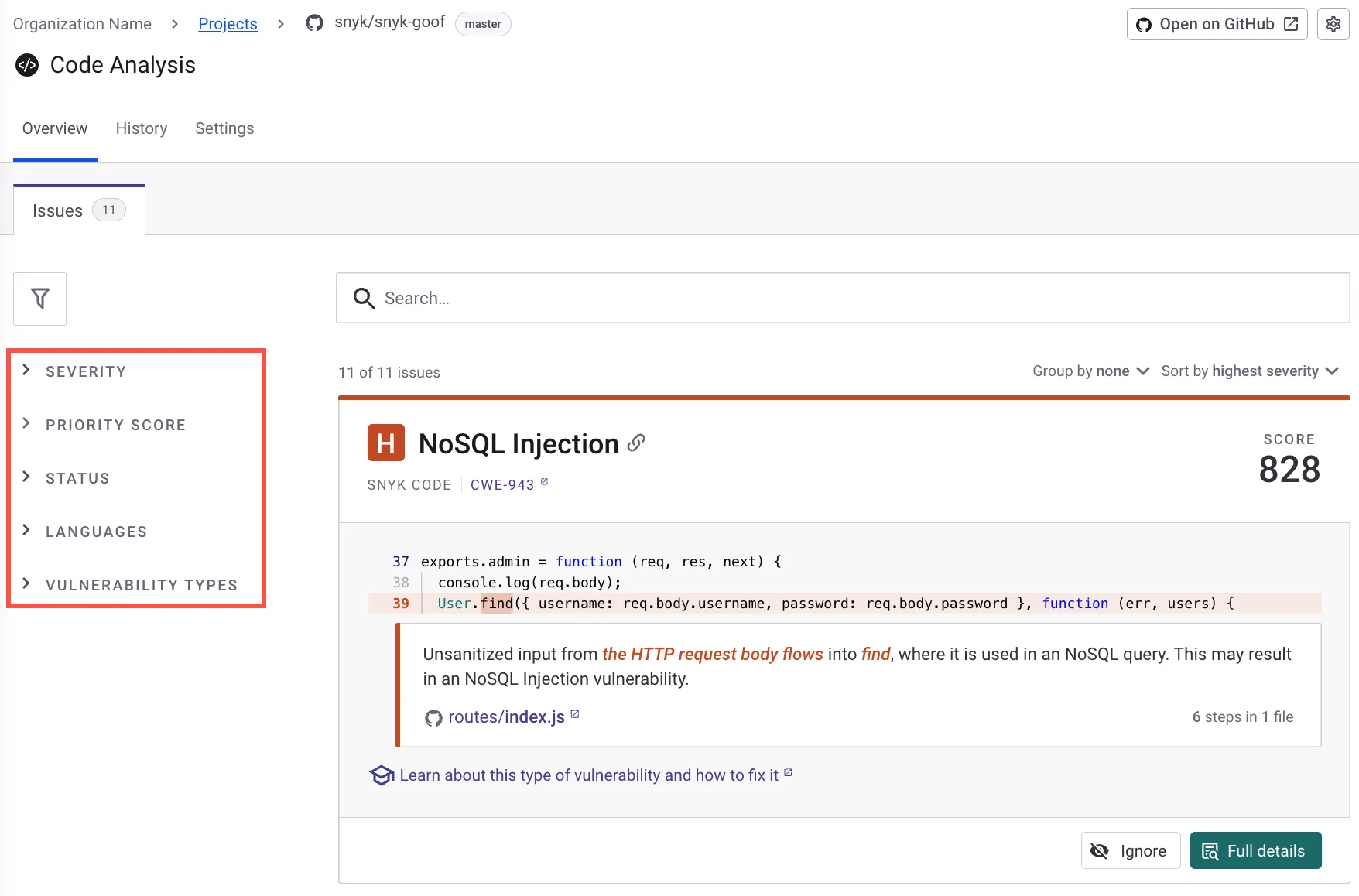
Snyk’s proprietary vulnerability database is the single biggest differentiator. According to Snyk, the database detects vulnerabilities an average of 47 days before competing databases, and its research team is 3x larger than the next largest public source.
For the JavaScript ecosystem specifically, Snyk claims to disclose 92% of vulnerabilities before they appear on the NVD. According to Snyk, their dedicated security research team has personally disclosed over 3,400 vulnerabilities.
The database aggregates from the NVD, GitHub activity monitoring, automated package analysis, and manual security audits.
Mend draws from multiple vulnerability sources including the NVD, dozens of security advisories, and open-source project issue trackers, layering its own research on top.
The company also acquired DefenseCode and Xanitizer to expand its security research capabilities.
While Mend’s database is broad and well-maintained, Snyk’s documented lead in early vulnerability disclosure gives it an edge for teams where detection speed directly impacts risk exposure.
Both tools offer reachability analysis to determine whether vulnerable code paths are actually exercised by your application. Snyk’s reachability currently covers Java and JavaScript.
Mend also performs reachability analysis, though specific language coverage details are less clearly documented publicly.
Automated Remediation#
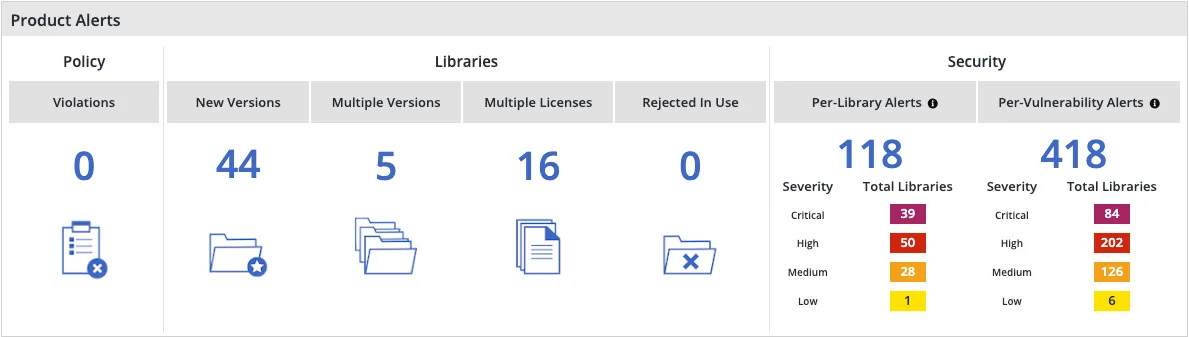
This is where Mend pulls ahead. Its remediation engine runs on Renovate, the widely adopted open-source dependency update bot that supports 90+ package managers.
Renovate groups related updates, respects semantic versioning constraints, and lets you schedule pull requests to avoid flooding your team at inconvenient times.
The merge confidence score is particularly valuable — it aggregates CI outcomes from millions of real-world dependency upgrades to predict whether a given version bump will break your build.
Snyk generates fix PRs that upgrade to the minimum safe version. When no upgrade path exists, Snyk maintains its own patches — targeted code changes that fix the vulnerability without bumping the package version.
This patching capability is genuinely useful when a major version upgrade would introduce breaking API changes your team cannot absorb immediately.
For teams managing large monorepos or complex dependency trees, Mend’s Renovate grouping and scheduling controls provide more workflow flexibility. For teams that need quick single-dependency fixes with a patching fallback, Snyk’s approach is more direct.
License Compliance#
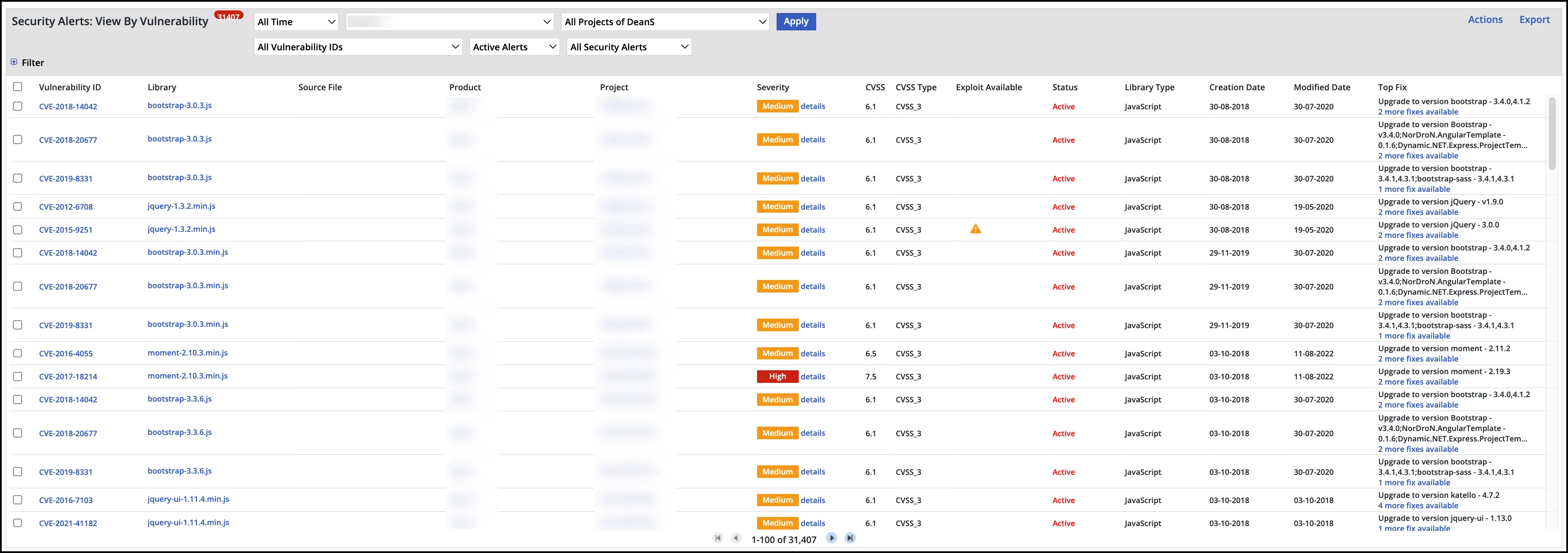
Both platforms enforce open-source license policies, but the implementation differs. Mend provides real-time license alerts with automatic remediation capabilities and can block license violations before they enter your codebase.
Its license detection covers a wide range of open-source licenses and can be configured with granular policy rules.
Snyk includes license compliance on paid plans, allowing teams to define policies around which licenses are acceptable and flagging violations during scanning. The license compliance features are solid but treated as one component of the broader platform rather than a headline capability.
Organizations in regulated industries or with strict legal requirements around open-source usage will find both tools adequate. Mend’s proactive blocking and real-time alerting give it a slight edge for teams that need license governance to be a hard gate rather than an advisory.
Developer Experience and Adoption#
Snyk was built for developer adoption from the start. The CLI installs via npm, Homebrew, or Scoop.
Running snyk test returns results immediately. The free tier — 200 open-source tests per month — means any developer can start using it without asking for a license.
IDE plugins cover VS Code, JetBrains (IntelliJ, PyCharm, WebStorm, GoLand), Eclipse, and Cursor. The web dashboard is polished and ties together findings across projects.
Mend’s developer experience is competent but oriented more toward platform administration. Configuring policies, managing remediation workflows, and tuning Renovate behavior across repositories is where it shines.
There is no free tier for SCA, so evaluating it means contacting sales or going through procurement.
If your adoption strategy is bottom-up — developers choosing tools themselves — Snyk wins. If your adoption strategy is top-down — a security team standardizing tooling across the organization — Mend’s configuration depth and bundled pricing make more sense.
Pricing and Platform Scope#
Snyk’s free tier covers individual developers. The Team plan starts at approximately $25 per developer per month with a minimum of 5 developers.
Enterprise pricing is custom and scales with developer count and product selection (SCA, SAST, Container, IaC).
Mend prices per contributing developer with access to the full platform included — SCA, SAST, container security, and AI security. There is no free tier for the SCA product, though the Renovate CLI remains free and open-source for dependency updates without vulnerability scanning.
Teams that want SCA only and need to start small will find Snyk’s free tier appealing. Organizations that want a bundled security platform with SCA, SAST, and container scanning under a single vendor may find Mend’s all-inclusive pricing simpler and potentially more cost-effective at scale.
When Should You Choose Snyk vs Mend?#
Choose Snyk Open Source if:
- Early vulnerability detection matters — Snyk’s database catches issues an average of 47 days ahead of competitors
- A free tier is important for developer-led adoption without procurement overhead
- You need broad IDE support (VS Code, JetBrains, Eclipse, Cursor) for in-editor feedback
- Snyk’s proprietary patching — fixing vulnerabilities without version bumps — fits your workflow
- You want to start with SCA and expand to Snyk Code, Container, and IaC on a unified platform
Choose Mend SCA if:
- Renovate-powered remediation with merge confidence scoring is a priority
- You manage large monorepos or complex dependency trees that benefit from grouped, scheduled updates
- You want SCA, SAST, container scanning, and AI security bundled at a single per-developer price
- License compliance with proactive blocking and real-time policy enforcement is a core requirement
- Your organization prefers centralized security tooling rolled out by a security team rather than bottom-up adoption
AppSec Santa publishes side-by-side comparisons of these tools to help you decide. For more options, see the full SCA tools category comparison.
Related Comparisons#
- Snyk vs Dependabot — Snyk against the free dependency updater built into GitHub.
- Snyk vs Mend — the reverse-angle comparison focused on Mend’s SCA strengths.
- Mend Alternatives — the full alternatives list if Mend isn’t the right fit.
- SCA Tools — every SCA scanner I’ve reviewed, filterable by licensing and language coverage.
Frequently Asked Questions
Is Snyk better than Mend for SCA?
How much does Snyk cost compared to Mend?
Can I use both Snyk and Mend together?
Which tool has better automated fix pull requests?
Which tool supports more programming languages?

Written & maintained by
Suphi CankurtEight years on the vendor side of application-security sales — thousands of evaluations and demos. I started AppSec Santa in 2022 to put that insider view to work for buyers. Independent of any vendor, paid by none, and honest about what fits whom.