
- Black Duck’s KnowledgeBase covers 9M+ open-source components with 2,900+ license classifications; Snyk’s database catches CVEs 47 days faster than competing sources.
- Black Duck performs binary scanning and snippet detection to find open-source code copied without attribution; Snyk relies on dependency graph analysis of manifest and lock files.
- Snyk offers a free tier with 200 tests/month and automated fix PRs with proprietary patches; Black Duck has no free tier and no automated fix PRs.
- Black Duck is the standard for M&A due diligence and regulatory audits requiring exhaustive open-source discovery; Snyk targets developer-led workflows with IDE plugins for VS Code, JetBrains, Eclipse, and Cursor.
- Snyk’s reachability analysis (Java, JavaScript) filters unreachable vulnerabilities; Black Duck does not offer reachability but provides deeper copyright and license obligation analysis.
Which Is Better: Black Duck or Snyk?#
Black Duck is an enterprise software composition analysis platform built for exhaustive open-source discovery, binary scanning, and license compliance. Snyk Open Source is a developer-focused SCA tool with the largest proprietary vulnerability database and automated fix PRs.
Black Duck and Snyk Open Source represent enterprise-grade and developer-grade approaches to software composition analysis.
Black Duck is built for organizations that need exhaustive open-source discovery — binary scanning, snippet detection, deep license analysis, and SBOM generation that holds up under audit scrutiny.
Snyk is built for developers who want fast vulnerability detection, automated fix pull requests, and in-IDE security feedback without leaving their workflow.
According to Black Duck, its KnowledgeBase covers over 9 million open-source components with proprietary security advisories and 2,900+ license classifications.
According to Snyk, its proprietary database catches vulnerabilities an average of 47 days ahead of competing sources. Black Duck scans binaries and detects code snippets from open-source projects.
Snyk generates fix PRs and maintains patches for vulnerabilities where no upgrade exists.
The decision often comes down to who is driving the purchase. If the security or legal team leads the initiative and needs audit-ready compliance reporting, Black Duck is the established choice.
If the engineering team leads and wants security integrated into the developer workflow, Snyk is the path of least resistance.
What Are the Key Differences?#
| Feature | Black Duck | Snyk Open Source |
|---|---|---|
| License | Commercial | Freemium (free tier + paid plans) |
| Pricing | Custom enterprise pricing | Free tier; Team from ~$25/dev/month |
| Free Tier | No | Yes (200 tests/month) |
| Vulnerability Database | Black Duck KnowledgeBase (9M+ components) | Proprietary (3x larger than next public DB) |
| Proprietary Advisories | BDSAs (ahead of NVD) | Snyk-researched (47 days ahead on avg.) |
| Detection Methods | Dependency, filesystem, binary, snippet | Dependency graph analysis |
| Reachability Analysis | No | Yes (Java, JavaScript) |
| Auto-Fix PRs | No | Yes (upgrade + Snyk patches) |
| License Database | 2,900+ unique licenses | License compliance (paid plans) |
| Copyright Detection | Yes (deep analysis) | No |
| Snippet Scanning | Yes (open-source code in proprietary files) | No |
| SBOM Generation | SPDX, CycloneDX (import/export) | SPDX, CycloneDX |
| Container Scanning | Yes | Yes (via Snyk Container) |
| AI-Generated Code Analysis | Yes | Limited |
| IDE Plugins | Limited | VS Code, JetBrains, Eclipse, Cursor |
| CLI | Yes | Yes (snyk test, snyk monitor) |
| CI/CD Integration | Jenkins, GitHub, GitLab, Azure DevOps | GitHub, GitLab, Bitbucket, Azure DevOps |
| Platform Scope | SCA + SAST (via Coverity) | SCA, SAST, Container, IaC |
| Compliance Frameworks | Comprehensive (export-control, regulatory) | Basic |
| Self-Hosted | Yes | Enterprise agreements |
Black Duck vs Snyk: How Do They Compare?#
Component Discovery and Detection#
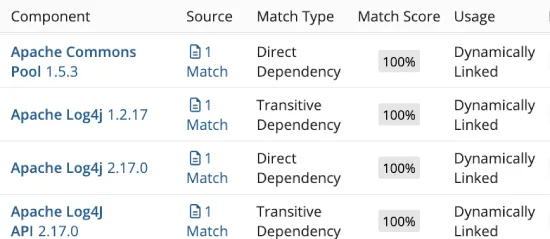
This is where Black Duck’s enterprise heritage shows most clearly. It uses multiple discovery techniques to identify open-source components: declared dependency analysis (parsing manifests and lockfiles), filesystem scanning, binary file analysis, and embedded code snippet detection.
The snippet scanning capability is particularly notable — it can identify open-source code that has been copied into proprietary files without attribution, even when no package manifest references it.
Snyk focuses on dependency graph analysis, parsing package manifests and lockfiles to build a complete dependency tree including transitive dependencies. It does not perform binary scanning or snippet detection.
For most modern applications where dependencies are managed through package managers, this approach catches the vast majority of open-source usage.
But for applications that include vendored dependencies, statically linked libraries, or copied code snippets, Black Duck’s broader detection methods find components that Snyk would miss.
For software audits — particularly M&A due diligence where completeness of open-source discovery is legally important — Black Duck’s multi-technique approach is the standard. For day-to-day development where dependencies flow through package managers, Snyk’s dependency graph analysis is sufficient and faster.
Vulnerability Intelligence#
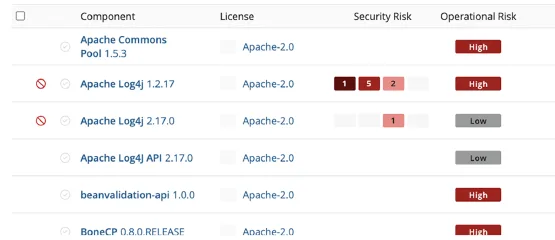
Both tools maintain proprietary vulnerability databases that go beyond the NVD, but their strengths differ.
Snyk’s security research team actively discovers and discloses vulnerabilities, and the company reports detecting issues an average of 47 days before they appear on competing databases.
For JavaScript, Snyk claims to disclose 92% of vulnerabilities before the NVD lists them. The database aggregates from the NVD, GitHub monitoring, automated package analysis, and manual security audits.
Snyk’s reachability analysis for Java and JavaScript determines whether your application actually calls the vulnerable function, deprioritizing unreachable findings.
Black Duck’s KnowledgeBase covers over 9 million open-source components. Black Duck Security Advisories (BDSAs) are independently researched and published ahead of the NVD, providing detailed vulnerability descriptions and remediation guidance.
The Cybersecurity Research Center (CyRC) curates this data, adding context that raw CVE entries lack.
Snyk’s advantage is speed — catching vulnerabilities faster and providing reachability analysis to reduce noise. Black Duck’s advantage is breadth — covering more open-source projects overall, including less popular libraries that may not be on Snyk’s radar.
License Compliance#
Black Duck has a clear lead in license compliance depth. Its KnowledgeBase contains over 2,900 unique open-source licenses — from common licenses like MIT, Apache, and GPL to obscure and custom licenses that appear in niche projects.
Each license entry includes encoded attributes and obligations, helping legal teams understand what a license requires (attribution, source disclosure, patent grants) without reading the full legal text.
Black Duck performs deep copyright analysis, extracting copyright notices from source files and identifying embedded license text. This is critical for organizations that need to produce accurate attribution notices in shipped products.
The snippet scanning capability extends this to code that was copied without a license declaration.
Snyk includes license compliance on paid plans, flagging dependencies that use licenses violating your configured policy. It identifies license types and can enforce approval workflows.
However, it does not match Black Duck’s depth in license classification, copyright extraction, or the ability to detect license obligations in code that was not declared through a package manager.
For organizations in regulated industries, companies shipping software products that require license attribution, or legal teams performing open-source compliance audits, Black Duck’s license capabilities are significantly more thorough.
Developer Experience and Remediation#
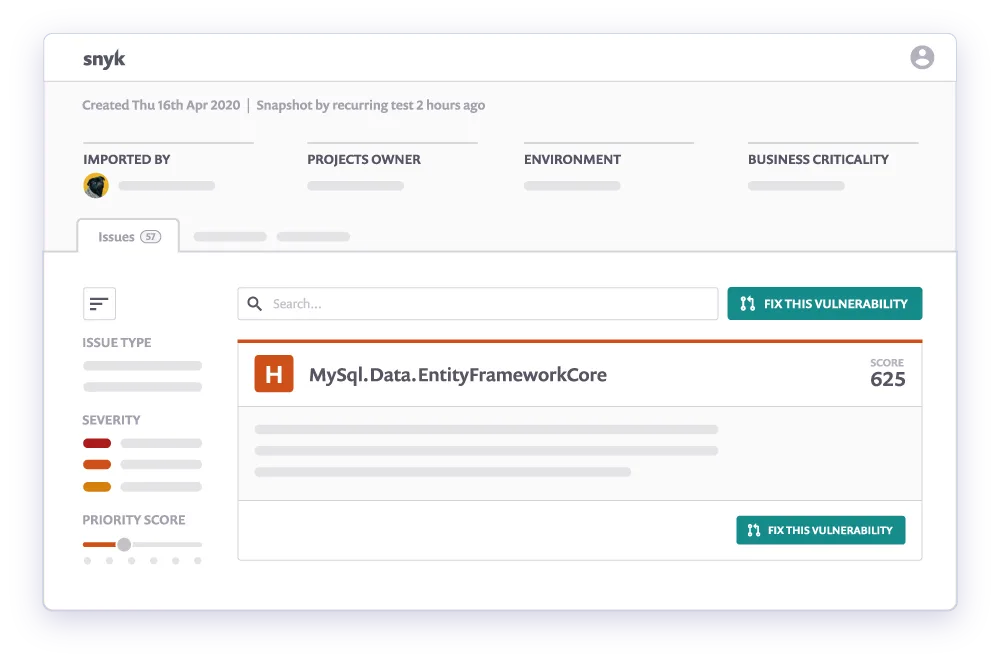
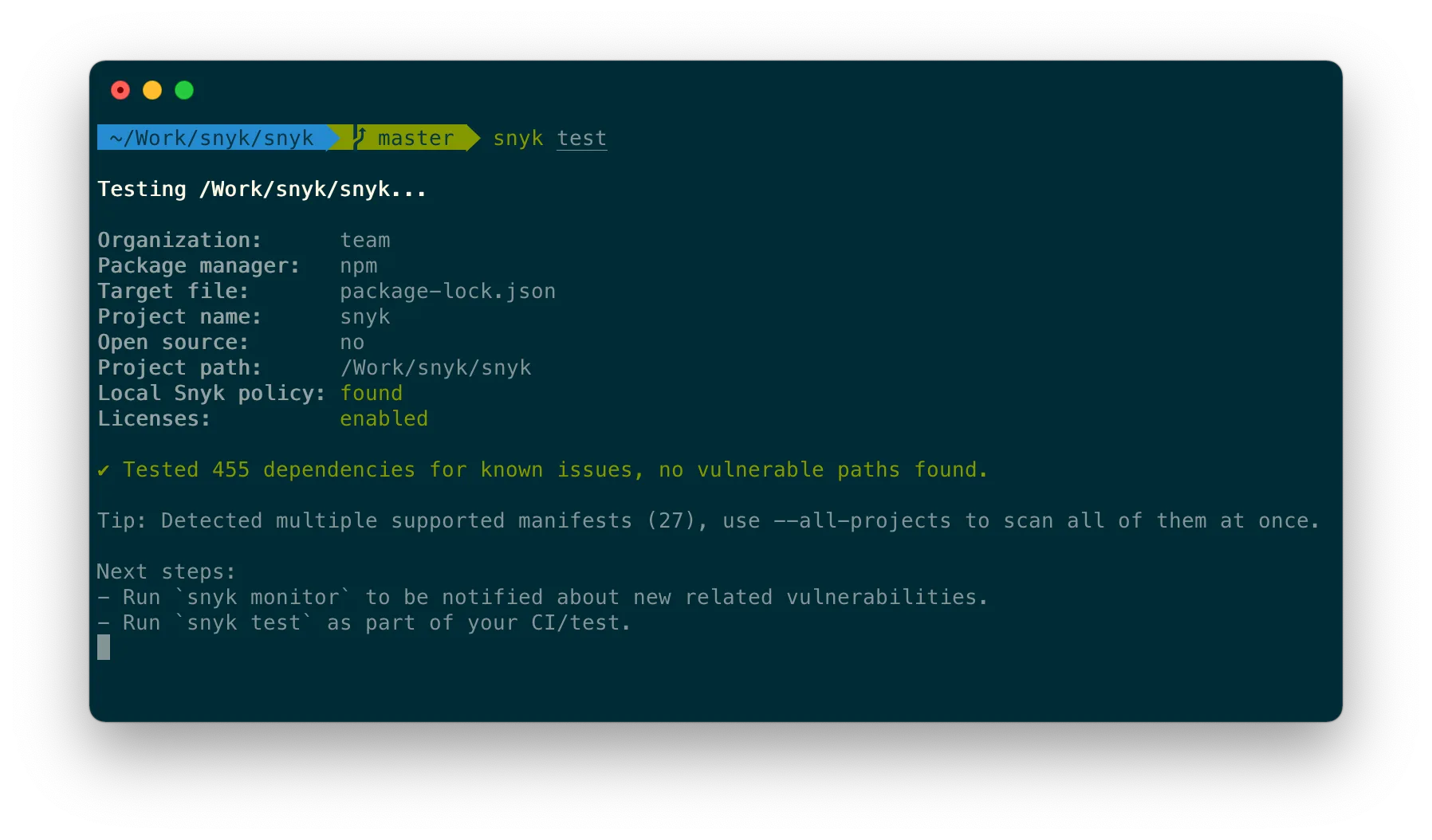
Snyk dominates the developer experience. The CLI installs via npm, Homebrew, or Scoop.
Running snyk test returns actionable results immediately. The free tier means any developer can evaluate it without procurement.
IDE plugins cover VS Code, JetBrains (IntelliJ, PyCharm, WebStorm, GoLand), Eclipse, and Cursor, providing in-editor vulnerability feedback as code is written.
Snyk’s automated fix PRs upgrade vulnerable dependencies to the minimum safe version.
When no upgrade exists, Snyk maintains its own patches — targeted code changes that address the vulnerability without bumping the package version.
The Risk Score combines 12+ contextual factors into a 0-1000 prioritization score that helps developers focus on what matters.
Black Duck’s developer experience is functional but oriented toward the scan-review-remediate workflow common in enterprise security programs. Scans are typically triggered in CI/CD pipelines or run periodically, with results reviewed in the Black Duck web interface.
There are no automated fix PRs, and IDE plugins are limited compared to Snyk’s. The tool is designed to be operated by security teams or compliance officers rather than individual developers.
If your adoption model is developer-led with security integrated into daily workflows, Snyk wins convincingly. If your model is security-team-led with periodic scans and formal review processes, Black Duck’s workflow fits naturally.
SBOM Generation and Supply Chain#
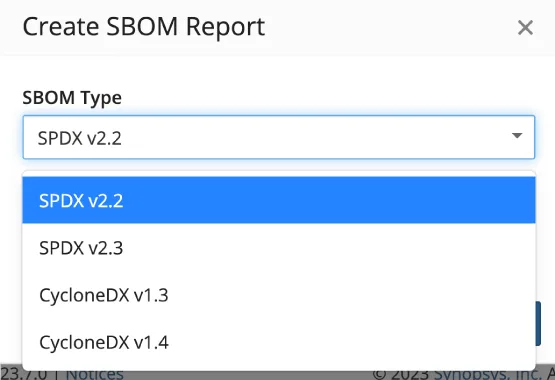
Both tools generate SBOMs in SPDX and CycloneDX formats, but Black Duck’s SBOM capabilities run deeper.
It can import third-party SBOMs to map dependencies to known components, leverage VEX (Vulnerability Exploitability eXchange) data, and produce SBOMs that include binary and snippet-level component identification.
For organizations that need to exchange SBOMs with partners, customers, or regulatory bodies, Black Duck’s SBOM output is more comprehensive.
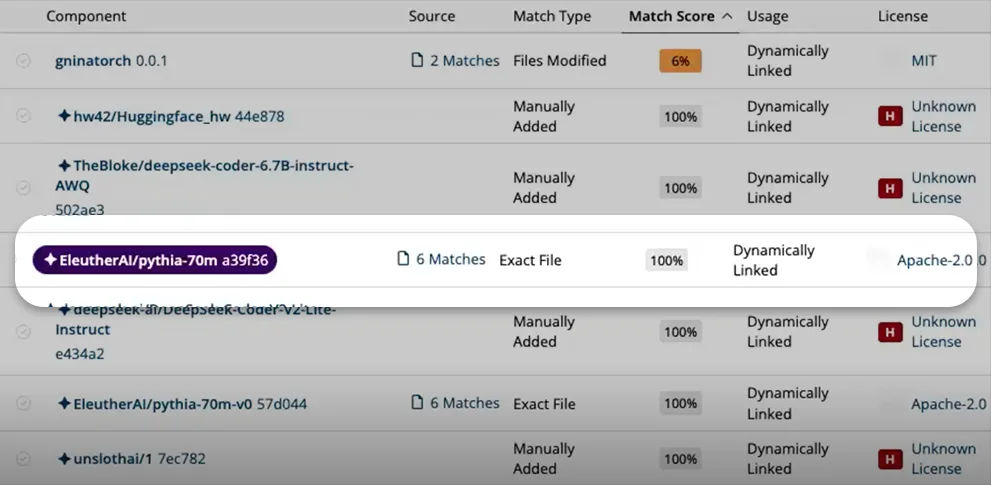
Black Duck has also added analysis of AI-generated code, evaluating it with the same rigor as traditional open-source to identify license obligations or restrictions introduced by generative tools. This is an emerging concern as organizations adopt AI coding assistants.
Snyk generates SBOMs from dependency graph data, which covers the standard use case of enumerating declared and transitive dependencies. For most organizations, this is sufficient.
For those in industries like automotive, medical devices, or defense where SBOM completeness is a regulatory requirement, Black Duck’s multi-technique discovery produces more thorough results.
Pricing#
The pricing models reflect the different target audiences. Snyk offers a free tier with 200 open-source tests per month — enough for individual developers and small teams.
The Team plan starts at approximately $25 per developer per month. Enterprise pricing is custom and scales with developer count and products selected.
Black Duck uses custom enterprise pricing that requires a sales conversation. There is no published price list, no free tier, and no self-service purchase option. Procurement requires a proof-of-concept and enterprise contract negotiation.
For small to mid-size teams, Snyk is dramatically cheaper and faster to adopt.
For large enterprises with existing procurement processes and dedicated AppSec budgets, the pricing difference narrows relative to the total cost of the security program. For more comparisons, see the AppSec Santa SCA tools category.
When Should You Choose Black Duck vs Snyk?#
Choose Black Duck if:
- Exhaustive open-source discovery is required — binary scanning, snippet detection, and filesystem analysis go beyond manifest parsing
- Deep license compliance with 2,900+ license classifications and copyright analysis is a core requirement
- M&A due diligence or regulatory audits demand audit-ready SBOM generation with maximum component coverage
- Your organization ships software products that require accurate open-source attribution notices
- A security or legal team drives the SCA program with formal review and remediation workflows
- AI-generated code compliance analysis is becoming relevant to your development process
Choose Snyk Open Source if:
- Fast vulnerability detection matters — Snyk catches issues an average of 47 days ahead of competing databases
- Automated fix PRs with fallback patching accelerate remediation without developer context-switching
- A free tier for developer-led adoption without procurement overhead is important
- Reachability analysis for Java and JavaScript helps reduce false positive noise
- Broad IDE support (VS Code, JetBrains, Eclipse, Cursor) keeps security feedback in the developer workflow
- You want to start with SCA and expand to SAST, Container, and IaC on a unified Snyk platform
For more options, see the full SCA tools category comparison.
Frequently Asked Questions
Is Black Duck better than Snyk for SCA?
How much does Black Duck cost compared to Snyk?
Can I use both Black Duck and Snyk?
Which tool has the better vulnerability database?
Which tool is better for license compliance?

Written & maintained by
Suphi CankurtEight years on the vendor side of application-security sales — thousands of evaluations and demos. I started AppSec Santa in 2022 to put that insider view to work for buyers. Independent of any vendor, paid by none, and honest about what fits whom.